
Climate futures are the Scarlet Runner Bean, Humpbacks, & a Scrappy Apple Recipe
New Moons' Letter ~ May

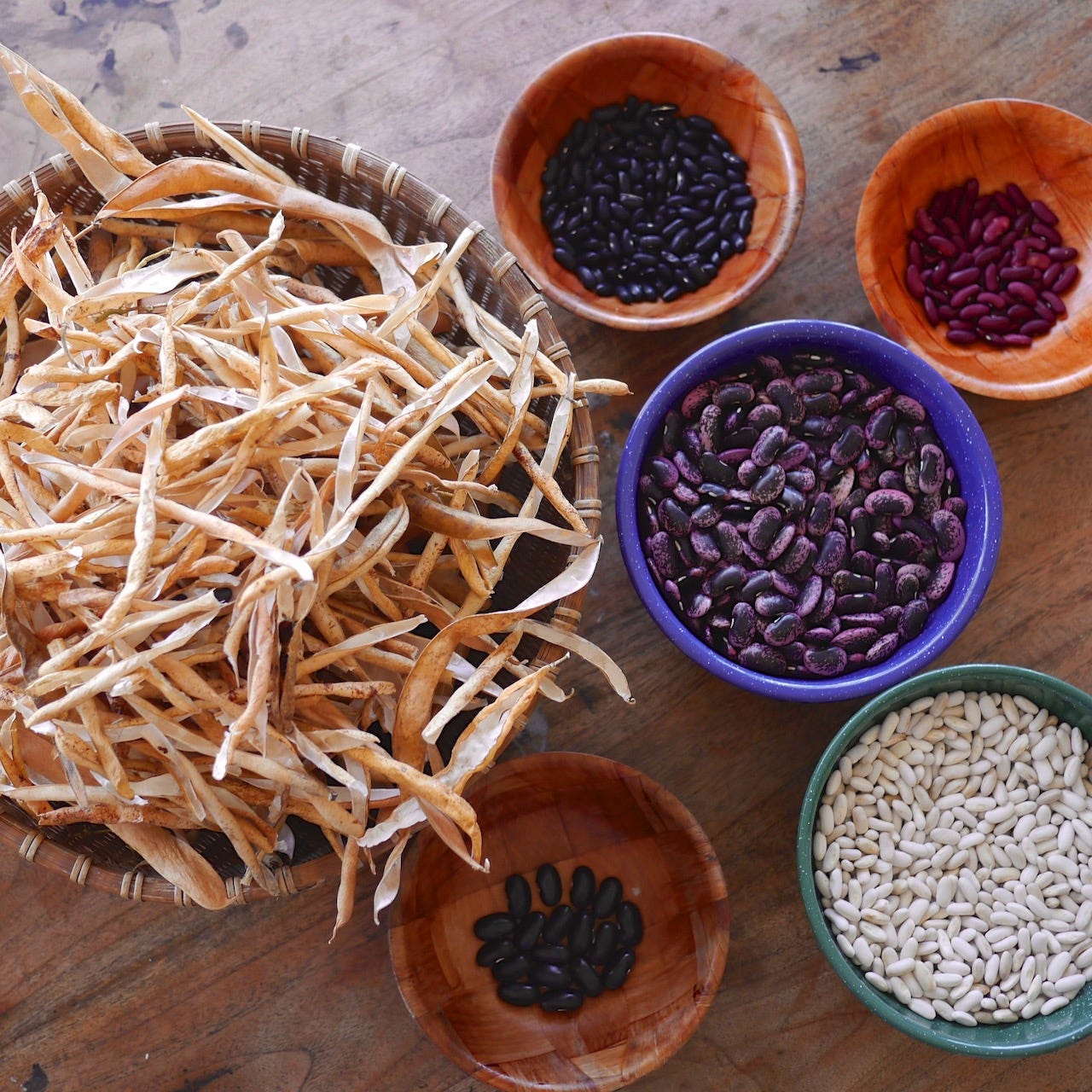
Happy new moon, lovelies. We’re just over a month from Solstice, now. There’s bowls of curing beans everywhere I look, the fire is on (it’s Sunday), and finally, a small scrap of gentle rain has arrived.
Such a very dry Autumn here - the sound of raindrops on our tin roof feels especially delicious, with a little side serve of heartbreak. May the groundwater begin to re-charge in this valley, and in all dry valleys, from this day onwards.
This dry autumn has meant a bumper season for beans, however. While I love picking beans green and crisp, they always seem to get away from me - both the bush beans in their many rows, poked in here and there, and all the climbing beans which I plant at the bottom of every likely ‘if you squint, it’s a trellis’ structure I can find, in late spring.
From a quick survey of the many beany bowls in my house, the scarlet runner beans definitely won the day, this season. And while they were previously what I would consider a ho-hum bean (they’re great, but not AS great as my other faves)…
it is slowly coming to me that Scarlet Runner Beans might be the ultimate garden companion, both for today, and in all our climate futures following.


Let me speak to you of the Scarlet Runner, just for a moment…
Scarlet runner beans (Ayecohtli in Aztec) have been beloved by growers for hundreds of generations - they come from the seedkeepers and soils of Mesoamerica and have been cultivated for up to 7,000 years, both as food and medicine. Wow.
I know the Scarlet Runner bean as a robust, knockabout climbing bean. They start strong, twine upwards with determination, and will cover an overhead trellis by early autumn.
Also known as ‘seven year beans’, Scarlet Runners can be grown as annuals, but they are actually a short-lived perennial (which is very cool and unusual, for a bean) who re-shoot in spring after they die back in early winter, if you leave their roots in.
Their established root is actually more like a fat little forked tuber - which is where they store their energy for future seasons. They’re a resilient garden buddy who flowers with cheerful red flowers in drought and in frost - and I can’t imagine a temperate garden without them planted on the edges.
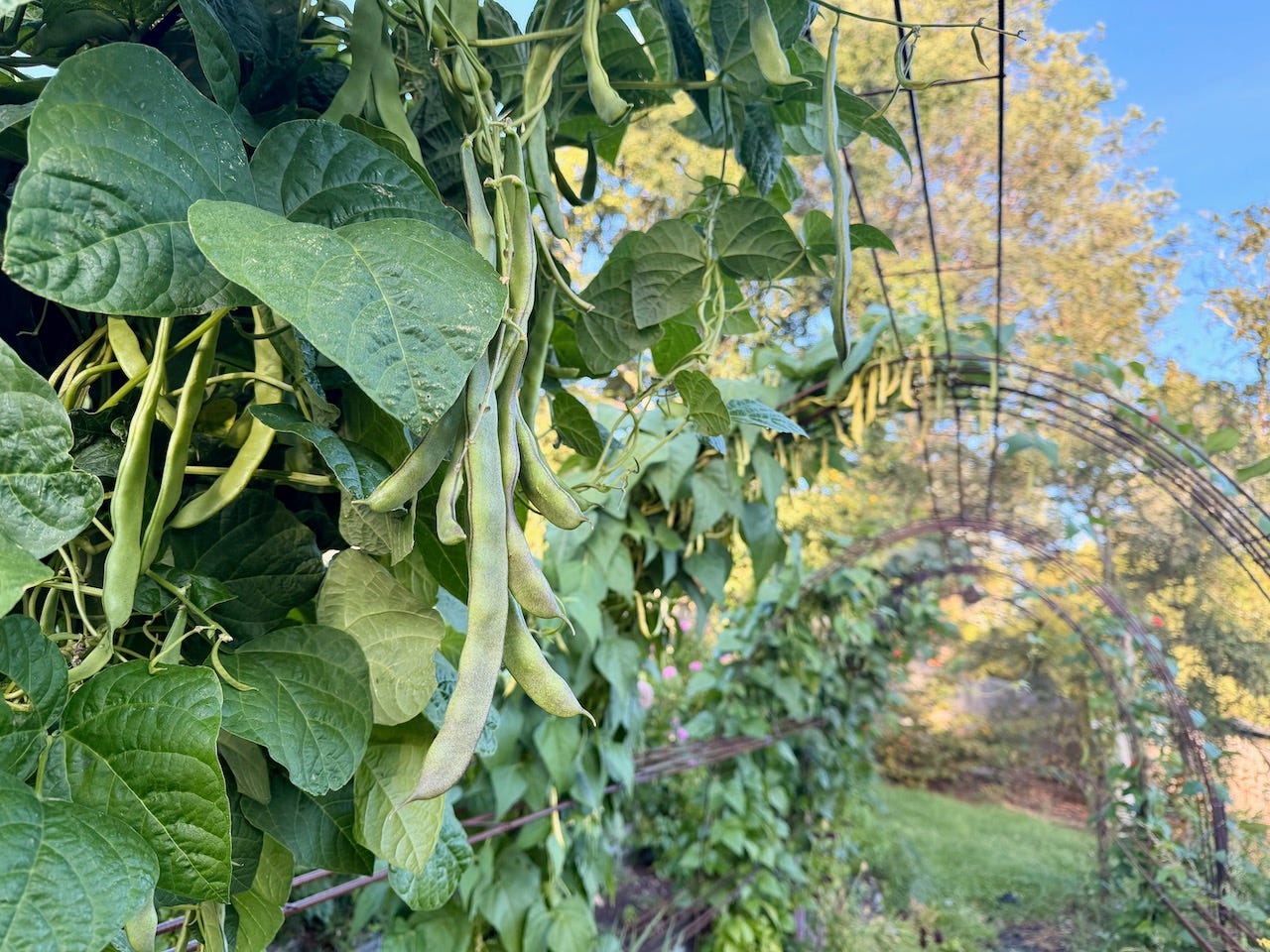
So to the bean bit - you can eat the green pods of the scarlet runner bean whole when young (they’re great in a fresh tomato sauce) but most folks consider the pods too ‘hairy’ or something, so leave the pods to mature on the plant until they are clattering bunches of dry, light brown pods. Which you can then pick, shuck, and dry the beans inside - a very low-effort way to produce a lot of big, beautiful, black-and-speckled-red dry scarlet runner beans for winter.
Once they’re all shucked and dried (bite-test them to ensure they’re dry enough - if your teeth leave any indentation on the bean, they need to dry some more)… it’s time to sort em out. Some for seed keeping, and most for eating.
‘Save the best and eat the rest’ is the bean mantra I’ve always gone by - I think it was Jodi Roebuck (another bean lover) who I first heard this saying from. I set aside about a litre of the best looking scarlet runner beans for my garden and the local seed library, put them in their own labelled jar, and then all the other beans go into the pantry for eating - sometimes in jars, some times in buckets - whatever airtight technology I have available.
Dry scarlet runner beans are bigg‘uns - usually between the size of my thumbnail, and the side of my thumb down to the first joint. As expected, they are dark, chunky and meaty - and while they don’t behave themselves in soups like cute little white beans, if you’re making a hearty stew and want something to add texture, break down and generally make that stew sing, scarlet runner beans are a winner.
In summary - scarlet runner beans grow without fuss, are drought and frost tolerant, provide shade and cute red flowers, can be ignored ‘till late autumn if you have other things to think about, and can then be easily dried, stored in a big jar, and make winter stews happy. And with luck, they’ll just sprout next year on their own! What little legends.
Thank you scarlet runner beans, thank you seedkeepers, thank you soil, thank you melukerdee country. I love growing and learning from you all.

Writing, this month:
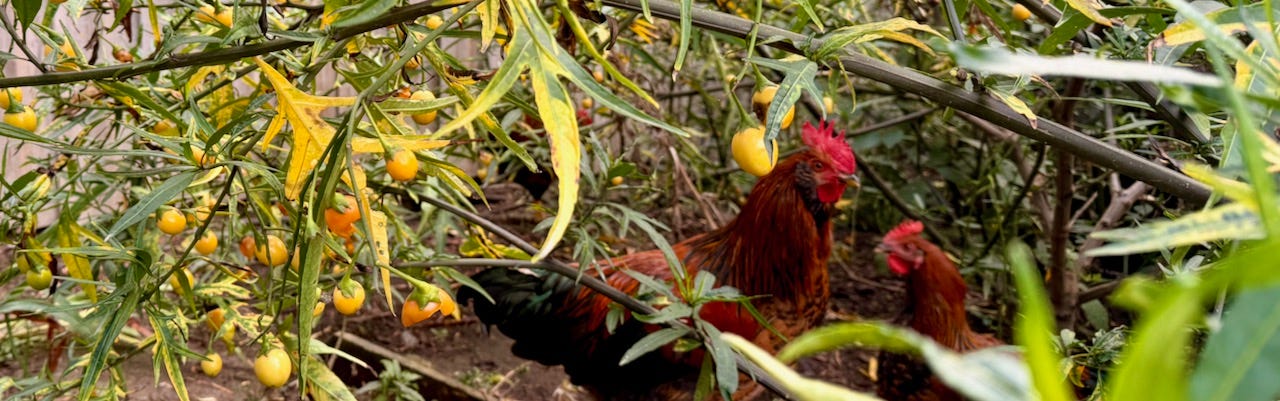
» Learning the ways of nama (Kangaroo Apple) - Bush tucker, medicine and resilience gardening... on a plant who shows up when things fall apart.
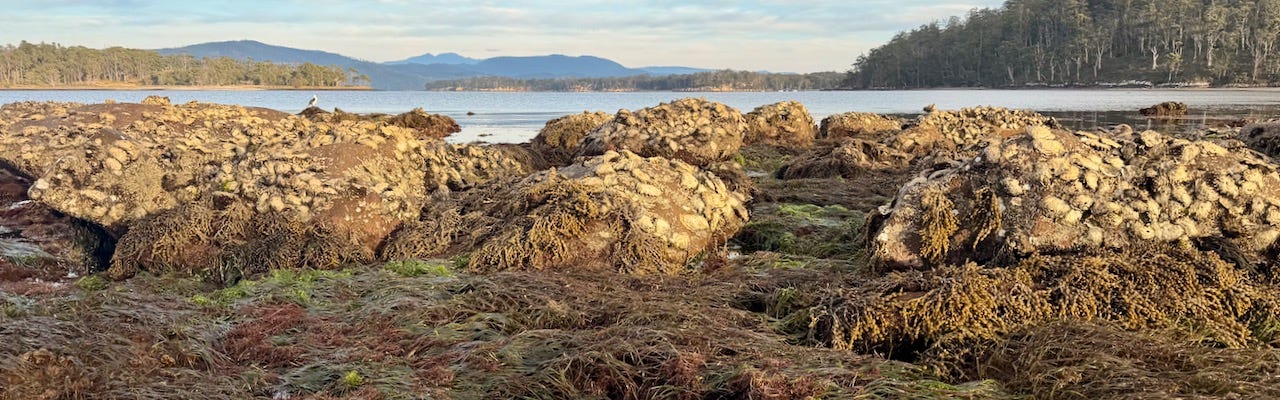
» Take it Back Upstream (the Compost abides) - Invasive seastars, sprouting broccoli, + active repair, in a bucket.
» The Plenty: Harvest Moon meets Bone Memory - Reworlding, proof that the land loves us back, + switching off time ‘till spring (genius!)
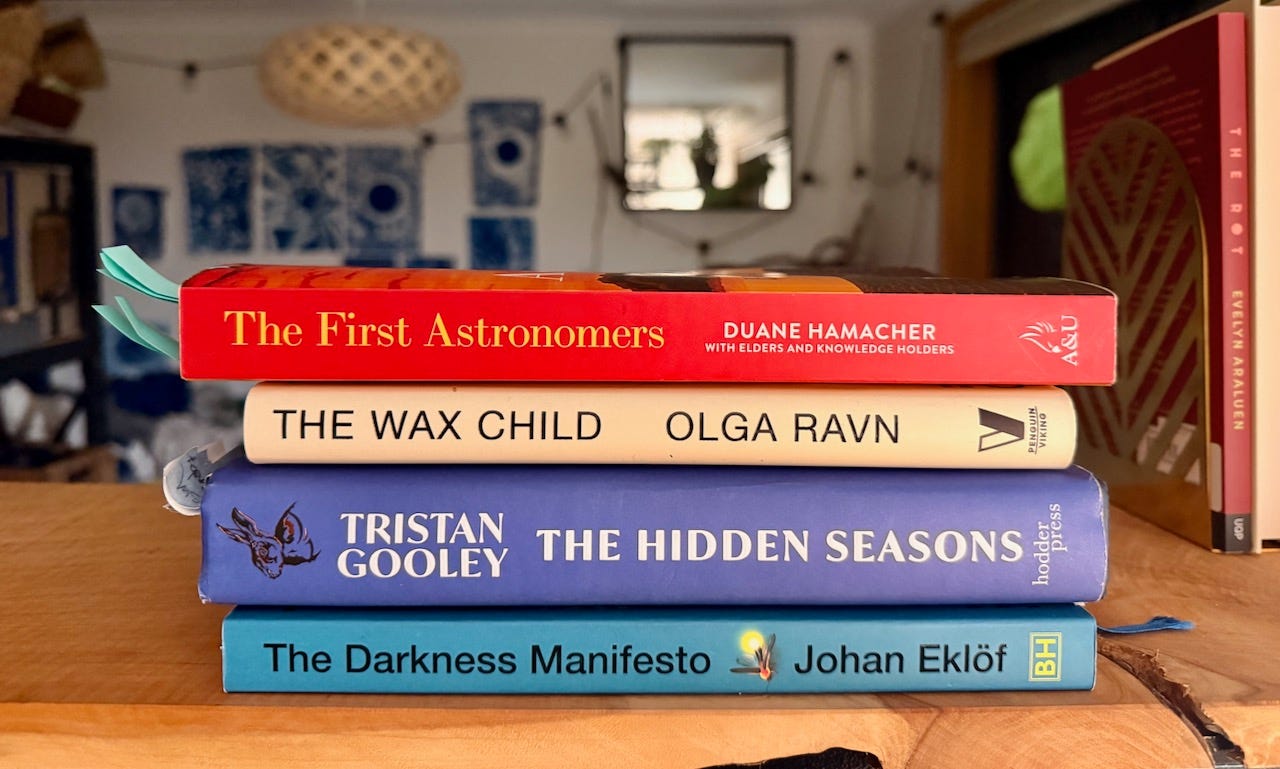
Reading, this month:
The First Astronomers - How Indigenous Elders Read the Stars - by Duane Hamacher, with Elders and Knowledge Holders … a gorgeous and fascinating read - respectful of knowledge holders, mind-blowing of facts, heart-squishing of implications.
The Wax Child - by Olga Ravn - I had just read Ravn’s The Employees last month, and I was compelled to keep going with her latest: so excellent, and proof that sometimes truth is so much spookier than fiction.
The Hidden Seasons: The ultimate guide to reading the clues and signs of nature’s calendar all year round: perfect for all nature lovers - by Tristan Gooley - another phenology book celebrating and considering living cycles rather than strict seasonality! Hooray. Planted in Britain, but that’s ok, northerners tend to do that.
The Darkness Manifesto - by Johan Eklöf - I am currently eating up all the books on Darkness I can find. This one was nothing like Night Magic, which i loved to bits, however I’m here for all of it. Any further suggestions on this subject?
3 other excellent things:
In the Company of Humpbacks - For the Wild podcast series (and zine!). I felt like I was right there with them all…
Your Imagination Was Always Empire’s Last Frontier - Abi Awomosu - Enclosure meets Imaginal meets Everywhen meets AI - note that you will need to make a POT of tea to get through this one (a cup of tea really won’t cut it).
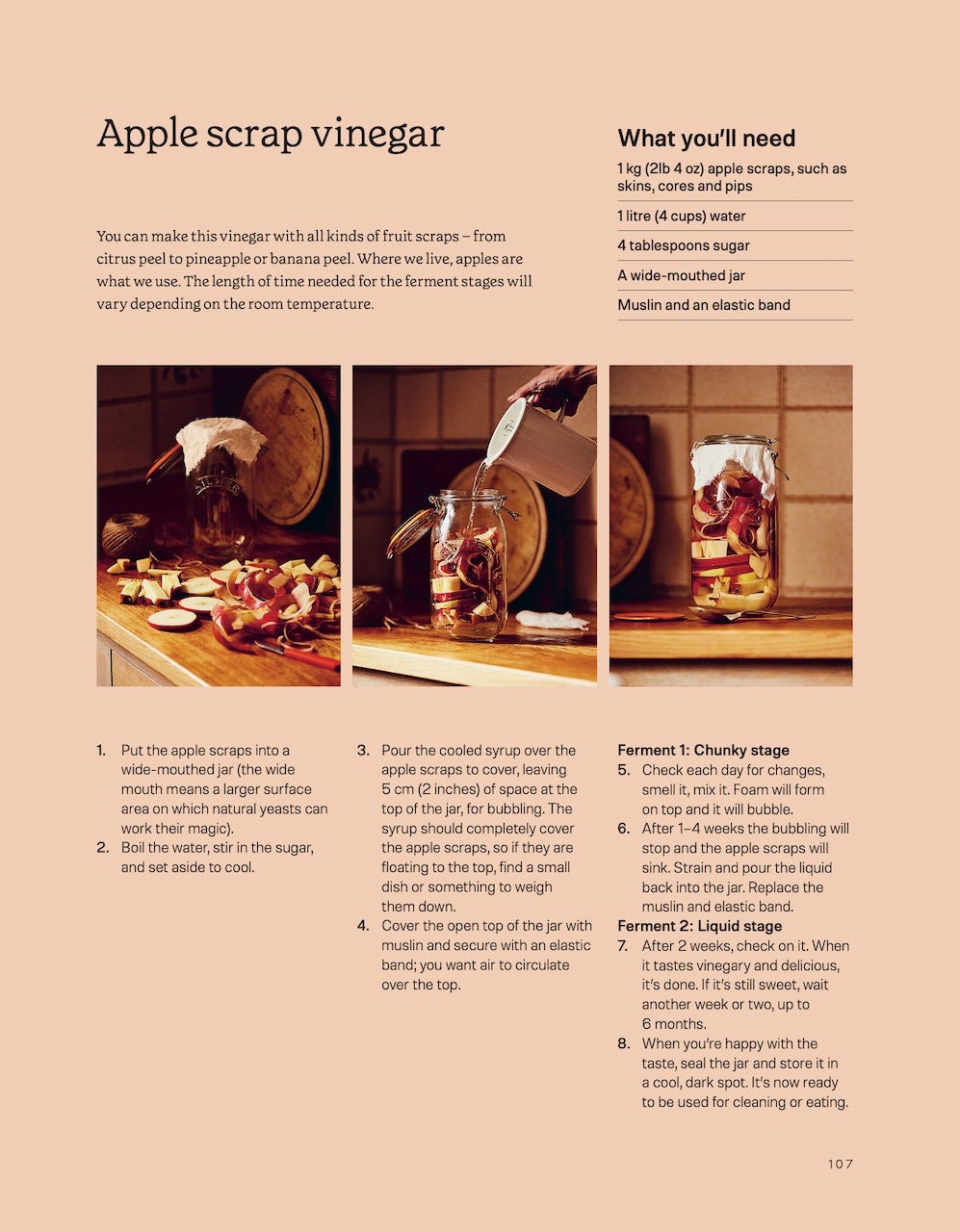
Apple Scrap Vinegar - do you have a jar on the make? Best ever useful solution for wonky bits and cores during apple season and beyond (here’s the recipe from page 107 of the Milkwood Permaculture Living Handbook)…
And in other news…. I’m deep in writing another book this winter! Hooray, I feel like I’m back in my natural habitat. I’ll tell you all about it very soon.
For now, here on melukerdee country in southern lutruwita Tasmania, I’m rolling with this season of short days, long nights, lots of care work, book writing around the edges, and, as always - composting, singing to the broccoli, and winter mulching.
Rightio then - may your month be free of aphids and slugs, full of beany stews and good conversations, and may your crew be safe and well - K

You can support my work by becoming a paid subscriber, by sharing this journal with friends, or buying one of my books. Thanks for reading, and be well - K
Thank you Kirsten for the expose on scarlet runner beans. I grew some for the first time ever this summer and they weren't what I was expecting! Very glad to read your advice. Have some saved beans to plant next season!
Love! xx